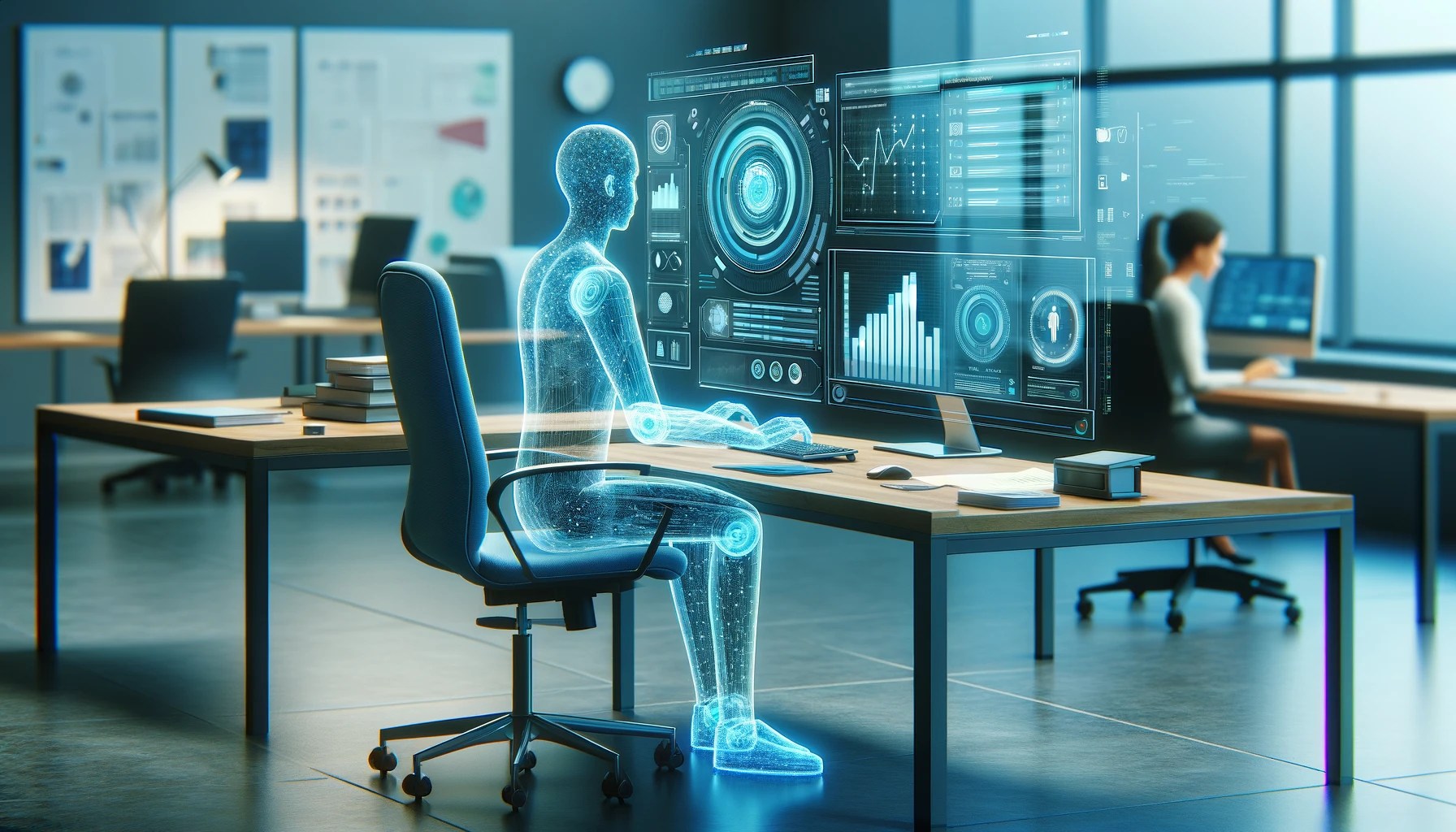
Artificial Intelligence is no longer just a tool — it’s becoming a workforce. In 2026, AI-Generated Digital Employees are transforming how companies operate, scale, and compete. These AI-powered systems don’t just assist humans; they execute full job roles autonomously.
From marketing departments to software engineering teams, digital employees are reshaping the global economy.
We explore what AI digital employees are, how they work, real-world applications, benefits, risks, and future trends.
What Are AI-Generated Digital Employees?
AI digital employees are autonomous systems designed to perform specific professional roles with minimal supervision. Unlike traditional automation tools, they can:
- Understand company goals
- Make strategic decisions
- Communicate with teams
- Learn from data
- Optimize workflows
Companies leveraging advanced AI research from organizations like OpenAI are building models capable of handling complex, multi-step responsibilities.
How AI Digital Employees Work
Digital employees rely on four key components:
1. Advanced Language Models
Large-scale AI systems interpret instructions and generate contextual responses.
2. Integrated Business Tools
They connect with:
- CRM systems
- Analytics dashboards
- Project management tools
- Financial software
3. Continuous Learning Systems
They analyze feedback, KPIs, and outcomes to improve performance.
4. Autonomous Decision Engines
Inspired by research labs like DeepMind, modern AI systems can plan multi-step actions and adjust strategies dynamically.
Top Use Cases of AI Digital Employees
1. AI Marketing Manager
An AI marketing employee can:
- Conduct keyword research
- Generate SEO-optimized blog posts
- Launch ad campaigns
- Analyze conversion rates
- Optimize budgets automatically
This dramatically reduces marketing costs while increasing efficiency.
2. AI Financial Analyst
Digital employees in finance can:
- Monitor cash flow
- Detect anomalies
- Forecast revenue
- Generate financial reports
They process massive datasets in seconds — something human analysts would take days to complete.
3. AI HR Assistant
AI employees can:
- Screen resumes
- Schedule interviews
- Analyze employee satisfaction
- Predict turnover risks
This improves hiring efficiency and workforce planning.
4. AI Software Engineer
Autonomous AI developers can:
- Write production-ready code
- Run automated tests
- Debug errors
- Deploy updates
This doesn’t replace developers — it amplifies their productivity.
Benefits of AI-Generated Digital Employees
- 24/7 Availability
- AI employees work continuously without breaks.
- Scalability
- Businesses can “hire” multiple AI workers instantly.
- Cost Reduction
- Lower operational and staffing costs.
- Data-Driven Accuracy
- Decisions are based on real-time analytics, not guesswork.
Risks and Ethical Concerns
Despite rapid adoption, businesses must address:
- Data privacy issues
- Job displacement concerns
- AI bias in decision-making
- Regulatory uncertainty
Responsible AI governance is critical for long-term success.
Why This Matters for Businesses
Search trends show growing interest in:
- AI workforce automation
- AI replacing jobs
- Digital employees in business
- AI productivity tools
Companies that integrate AI digital employees early can dominate competitive industries by improving speed, scalability, and cost efficiency.
The Future of Digital Employees
By 2030, analysts predict:
- AI will manage full business units
- Startups will operate with minimal human staff
- Hybrid AI-human teams will become standard
- Digital employees will have personalized identities and roles
The workforce is evolving — and AI is at the center of it.




بدون دیدگاه